

close
Choose Your Site
Global
Social Media
Industrial procurement carries immense operational stakes across modern manufacturing environments. Selecting the wrong cutting tool inevitably triggers excessive machine downtime. It also ruins expensive material batches and actively compromises operator safety on the factory floor. Operations managers and procurement engineers constantly face overwhelming catalog choices today. You need a rigorous, technical decision framework to navigate these complex options successfully. Evaluating edge geometries and metallurgical properties is absolutely critical. This approach helps you move confidently from initial research to final vendor selection. Our core objective involves providing an evidence-based method to evaluate and shortlist your industrial cutting tools effectively. We will explore how specific application variables directly dictate blade requirements. You will learn to validate a chosen Round Blade using structured, data-driven frameworks. This ensures maximum efficiency and uncompromised precision for your facility.
Initial purchase price is secondary to Total Cost of Ownership (TCO), which factors in blade lifespan, sharpening cycles, and maintenance downtime.
Material density and thermal dynamics dictate blade metallurgy; there is no universal cutting solution.
Tooth geometry (TPI, grind type) directly controls cut finish and feed rate limits.
Validating a blade requires controlled, small-batch testing before facility-wide rollout.
Evaluating true operational performance means looking far past the initial sticker price. Procurement teams often fixate on the upfront purchase invoice. However, you must measure how often operators stop machines for tool changes. Frequent changeouts severely drag down overall daily output. You should calculate the true financial burden by multiplying hourly downtime costs by your required changeout frequency. Adding external resharpening costs to this equation reveals the actual lifetime expense of the tool.
Your selected tool directly impacts overall production bottlenecks. Machine operators typically reduce line speed to compensate for poor cutting performance. Dull edges force slower material feed rates to prevent binding. This artificial slowdown dramatically reduces your facility's overall equipment effectiveness. Optimizing your cutting setup allows you to maximize feed rates safely. You can push production lines to their engineered limits without sacrificing finish quality.
Kerf width directly dictates how much raw material vanishes as waste. A wide profile removes substantial material during every single pass. This translates into massive financial loss when processing high-value substrates. Exotic hardwoods, titanium alloys, and engineered polymers demand highly efficient processing. You must balance the need for edge stability against the cost of lost yield. Thinner profiles preserve material but require flawless machine alignment. They also demand highly stabilized flanges to prevent dangerous edge flutter.
Processing wood and engineered composites requires highly specific cutting geometries. Natural timber constantly threatens to splinter and tear out during crosscuts. You must manage resin and pitch buildup actively. Heavy resin accumulation drastically increases friction and ruins the cut finish. We highly recommend utilizing alternating top bevel grinds for these applications. These profiles slice cleanly through tough fibers and minimize surface tear-out.
Metals demand completely different operational parameters. Ferrous and non-ferrous alloys present distinct thermal and mechanical challenges. Aluminum requires aggressive chip clearance and specialized rake angles. Poor clearance causes soft aluminum to weld directly onto the teeth. Steel processing demands extremely tough metallurgical grades and significantly slower rotational speeds. You must prioritize rapid heat dissipation to survive continuous metalworking shifts.
Synthetic materials present unique thermal challenges during continuous processing. Acrylics, PVCs, and polycarbonates melt instantly if localized temperatures spike. You must prioritize low-heat generation to prevent catastrophic material distortion. Excessive friction causes molten plastic to fuse directly into the gullets. This binding effect severely ruins the finish and poses significant kickback hazards. You should always specify modified rake angles to ensure rapid chip evacuation.
Multi-purpose tools fundamentally fail in heavy industrial settings. Transitioning between disparate material types usually requires dedicated changeouts. Attempting to cut dense steel and soft acrylic with the identical setup guarantees failure. You must build a specialized inventory to match your specific production demands.
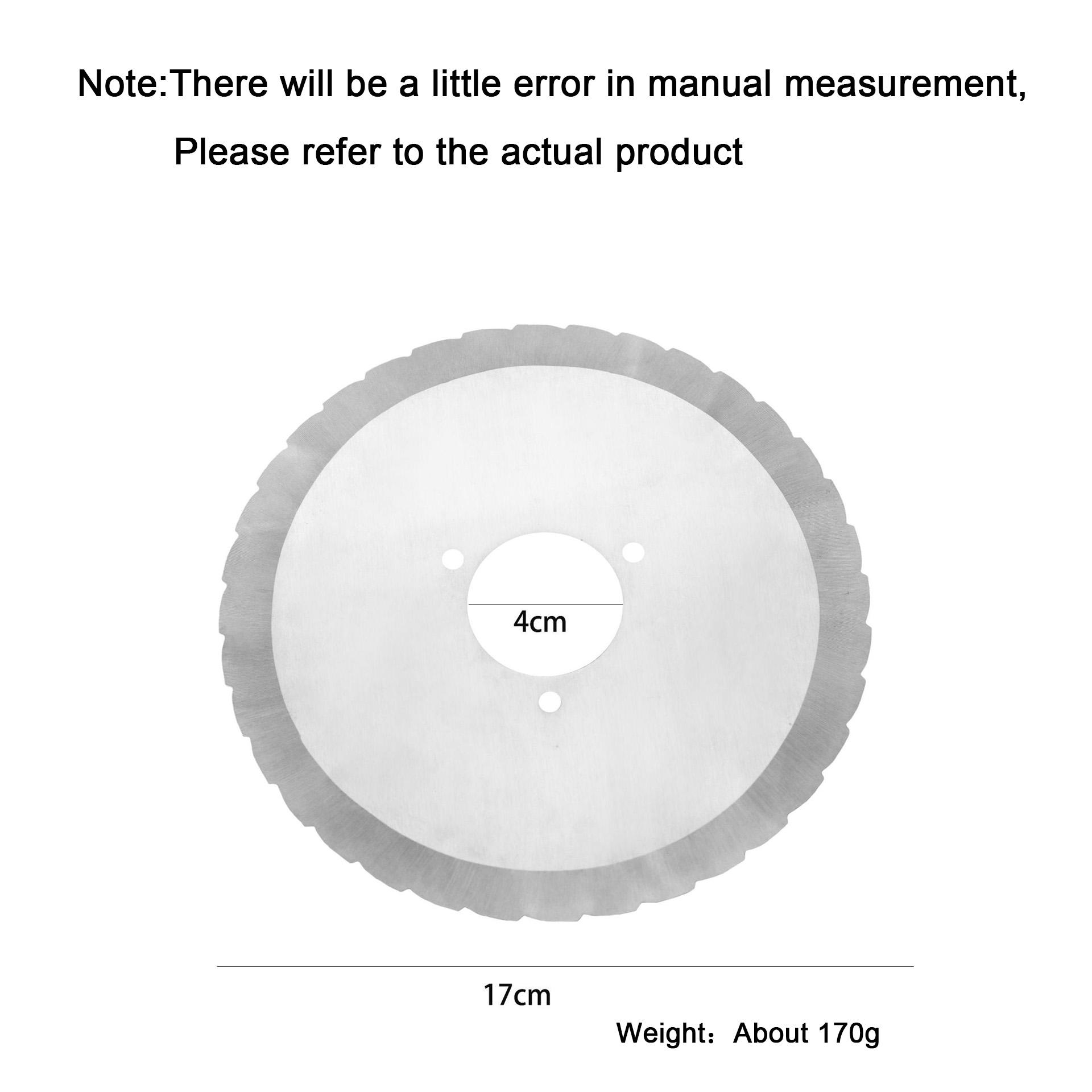
High-Speed Steel (HSS) offers excellent baseline utility for general industrial applications. It provides remarkable flexibility and withstands impact shocks quite well. However, you must carefully monitor its high susceptibility to heat degradation. Sustained high-RPM operations can quickly draw the temper out of standard HSS. This thermal degradation forces premature replacement and creates unexpected production delays.
Carbide-Tipped (TCT) variants represent a significant operational upgrade. The prolonged edge retention easily justifies the heavier initial investment. They perform exceptionally well in high-volume, highly abrasive applications. Dense composites and hardboard materials destroy standard steel edges quickly. Carbide inserts endure these abrasive conditions for drastically longer intervals.
Certain industrial environments strictly prohibit standard high-speed steel. Corrosive atmospheres and sanitary wash-down requirements demand specialized metallurgy. You must deploy Stainless Steel Circular Blades in these highly regulated scenarios. Food processing facilities require absolute resistance to chemical sanitizers. Medical manufacturing lines similarly mandate strict anti-corrosive properties. Stainless steel behaves differently than traditional tool steels under heavy impact. It generally trades extreme edge retention for unparalleled environmental durability. You must schedule slightly more frequent sharpening intervals when utilizing these alloys.
Manufacturers frequently apply specialized coatings to enhance base metal performance. Polytetrafluoroethylene (PTFE) treatments significantly reduce surface friction. Titanium Nitride (TiN) coatings harden the exterior to resist premature abrasion. You should critically assess these verifiable benefits against standard marketing hype. Ensure the proposed coating actually targets your specific manufacturing challenges.
Understanding tooth count (TPI) helps you control cut aggressiveness. The general rule of thumb remains incredibly reliable across industries. Lower TPI configurations provide massive gullets for rapid chip removal. They excel at aggressive, fast rip cuts along the grain. Conversely, higher TPI configurations take much smaller bites per revolution. They deliver slow, extremely clean finishes during complex crosscuts.
Selecting the optimal kerf thickness requires balancing stability against power consumption. Thin kerf designs consume noticeably less electrical power from the motor. They excel at preserving valuable material during repetitive sizing operations. However, thin bodies suffer a higher risk of vibration under heavy lateral loads. Full kerf designs provide immense physical stability during demanding cuts. They resist deflection but consume more power and waste more material.
Grind profiles directly determine how the edge interacts with the substrate. You must match the physical shape of the tooth to your specific application.
| Grind Profile | Standard Acronym | Primary Industrial Use Case | Key Performance Characteristic |
|---|---|---|---|
| Flat Top Grind | FTG | Aggressive ripping of solid woods | Durable, chisel-like action for maximum material removal |
| Alternate Top Bevel | ATB | Crosscutting veneered panels and woods | Knife-like shearing action prevents edge splintering |
| Triple Chip Grind | TCG | Processing laminates, plastics, and metals | Alternating chamfered and flat teeth resist extreme wear |
Thermal management relies heavily on strategically placed expansion slots. Manufacturers laser-cut these specific patterns into the metal body. As the metal heats up during sustained industrial loads, it expands. These precise slots allow the metal body to grow harmlessly. Without them, thermal expansion quickly causes the entire body to warp and wobble.
Excessive heat represents the greatest threat to cutting tool longevity. Poor feed rates or dull edges generate massive thermal friction. This intense heat quickly destroys the metal's engineered temper. A weakened body loses its rigidity and causes severe deflection. Deflection guarantees wandering cuts and ruins strict dimensional tolerances. You must actively monitor temperature buildup during heavy production shifts.
Vibration and harmonics slowly destroy both the tool and the machinery. Improper tensioning or mismatched arbor speeds trigger aggressive blade chatter. This harmonic vibration creates microscopic fractures inside brittle carbide tips. Over time, these micro-fractures lead to sudden, catastrophic tip loss. Poor edge finishes often serve as the first visual indicator of harmonic issues.
Strict mechanical compliance prevents severe operational disasters. You must perfectly match the internal arbor hole size to the machine's spindle. Using loose adapter bushings invites critical alignment failures. Furthermore, you must never exceed the manufacturer's maximum RPM rating. Over-speeding a heavy steel disk induces immense centrifugal stress. This negligence drastically increases the risk of explosive fragmentation.
Evaluating potential vendors requires demanding total engineering transparency. You should actively avoid suppliers who only provide basic catalog dimensions. Demand exact metallurgical data and expected Rockwell hardness ratings. High-quality vendors happily supply engineering support and application-specific advice. They partner with your operations team to optimize existing production setups.
Validating a new tool requires empirical data from your own floor. We strongly advise against rolling out unproven tooling across the entire facility. Implement a structured pilot run to mitigate your production risks.
Baseline your current performance: Document your existing metrics before making any changes. Record the average lifespan, acceptable feed rates, and daily output of your current setup.
Run a controlled batch: Install the newly sourced tool on a well-maintained machine. Process a specific, measured quantity of material under strict, normal operating conditions.
Measure edge wear and cut quality: Inspect the resulting products using rigorous quality control standards. Examine the metal under magnification to detect early micro-fractures or abnormal dulling.
Finally, decide between standard catalog inventory and custom-engineered solutions. Off-the-shelf options usually provide sufficient performance for standard manufacturing tasks. They offer excellent availability and predictable pricing. However, specialized OEM equipment often requires heavily customized profiles. If standard options continually fail your pilot tests, invest immediately in custom-engineered geometries.
Choosing an industrial cutting tool represents a complex engineering decision. It is never just a simple purchasing task driven by upfront pricing. You must meticulously align tooth geometry, kerf thickness, and metallurgical properties with your specific production materials. Taking a data-driven approach dramatically reduces sudden equipment failures and minimizes costly material waste.
We highly recommend initiating a detailed Request for Quote (RFQ) process. Include specific data regarding your machinery types, target feed rates, and primary processing materials. Forcing vendors to review this data ensures they provide consultative, long-lasting solutions rather than quick catalog sales. Prioritize empirical testing through structured pilot runs before finalizing any facility-wide procurement contract.
A: You should resharpen when you notice visual edge rounding, poor surface finishes, or increased amp draw on the machine's motor. If the carbide tips are extensively fractured, or the steel body exhibits permanent warping and bluing from heat damage, you must replace it entirely. Resharpening structurally compromised metal invites catastrophic failure.
A: Yes, they can be effectively resharpened. However, grinding stainless steel requires specific abrasive wheels and precise cooling techniques to prevent heat damage. You must also ensure the sharpening facility cleans and handles the tool properly to preserve its strict food-grade and sanitary properties.
A: Warping typically stems from excessive thermal expansion. Pushing materials at improper feed rates generates massive friction. If the metal lacks adequate laser-cut expansion slots, the heat forces the body to distort. Operating with dull teeth also dramatically increases friction, leading directly to permanent warping.
A: No. While a higher tooth count provides smoother finishes on thin materials, it causes severe issues on thicker stock. Tightly packed teeth leave extremely small gullets, restricting chip clearance. On thick materials, this causes the chips to bind, generating massive heat and creating severe burn marks.


