

close
Choose Your Site
Global
Social Media
Neglecting your cutting tools inevitably leads to disastrous operational consequences. You might assume dull edges represent the only real threat. In reality, poor maintenance causes rapid pitch buildup, dangerous thermal expansion, and premature machinery wear. These hidden issues degrade product quality while stalling critical production lines. Operating a compromised blade forces motors to work harder, accelerating systemic equipment failure. We understand these challenges firsthand. Many operators rely on quick-fix myths instead of implementing industrial-standard maintenance protocols. This approach ultimately sacrifices cut precision and safety. In this guide, we provide an evidence-based standard operating procedure. You will learn exactly how to inspect, clean, and preserve your cutting tools properly. We will dispel common maintenance myths and show you how to maintain strict cut tolerances effectively. Implementing these strategies ensures your operation runs smoothly and efficiently.
Resin is the primary enemy: Pitch buildup causes excess friction and heat, simulating a dull edge long before the blade actually requires sharpening.
Chemical over mechanical cleaning: Utilizing appropriate solvents prevents micro-abrasions to protective blade coatings and carbide tips.
Sharpening requires a strict ROI framework: Evaluating the cost of professional CNC resharpening versus tool replacement is crucial for cost control.
Storage dictates longevity: Improper handling and environmental exposure account for a significant percentage of blade micro-fractures and warping.
Operators frequently discard perfectly good tooling. They might also prematurely sharpen blades. Often, these tools simply suffer from severe resin and pitch accumulation. This creates a significant business problem. Wasted resources inflate operational budgets unnecessarily. You need a reliable framework to diagnose actual blade degradation. Is your tool genuinely dull, or does it just need a deep clean? Let us explore how to tell the difference.
Visual and tactile inspections reveal crucial truths. A Round Blade requires careful examination under good lighting. Look closely at the blade shoulders and gullets. Burned pitch appears as dark, hardened crusts. It clings stubbornly to the steel plate. Actual edge degradation looks completely different. You will see rounded carbide tips or microscopic chipping. Run your fingernail gently along the tooth edge. A dull tooth feels smooth and rounded. A dirty tooth might still grab your nail but feels gummy.
Performance indicators also tell a clear story. Machinery provides immediate feedback when a blade degrades. You must listen to your equipment. Consider these specific performance warning signs:
Increased motor strain: Your machine draws more amperage to force the cut.
Substrate burn marks: Friction from pitch buildup scorches the material edges.
Increased push-resistance: Operators must exert noticeably more physical force.
Louder cutting noise: Dirty blades whine and vibrate excessively during operation.
You must also check your material assumptions. Different substrates affect accumulation rates drastically. Cutting composite materials changes everything. Binders and synthetic glues melt during the cutting process. They stick aggressively to the blade body. A blade processing composites accumulates pitch exponentially faster. Conversely, cutting natural softwoods produces a different resin profile. You must adjust your maintenance intervals accordingly. Never assume one maintenance schedule fits all materials.
Implementing a standard operating procedure (SOP) saves time and tooling. A structured cleaning regimen prevents catastrophic blade failure. You must choose the right solutions for the job. Not all cleaning agents perform equally. Many popular household solvents fail to dissolve industrial resins. They merely spread the sticky residue around.
Let us evaluate the different solution categories. Commercial pitch and resin removers offer the best results. Formulators design these specifically to attack wood sap and synthetic adhesives. Household solvents often lack this targeted chemical action. Penetrating oils also cause confusion. Standard WD-40 works well for displacing moisture. However, it does not dissolve thick pitch effectively. Specialized PTFE dry lubricants provide much better post-cleaning protection.
Here is a straightforward chart comparing common cleaning solutions:
| Solution Type | Primary Function | Resin Removal Rating | Recommended Usage |
|---|---|---|---|
| Household Cleaners | Light degreasing | Poor | Avoid for industrial pitch |
| Standard Penetrating Oils | Moisture displacement | Fair | Rust prevention only |
| Commercial Pitch Solvents | Dissolving sap and glue | Excellent | Primary cleaning agent |
| PTFE Dry Lubricants | Friction reduction | N/A (Preventative) | Post-cleaning application |
Follow these implementation steps precisely to clean your tools. Proper technique prevents damage to the delicate cutting geometry.
Prepare the soaking bath: Place the blade safely in a shallow, dedicated pan.
Apply the solvent: Submerge the teeth completely in the commercial pitch remover.
Wait patiently: Allow soaking for 10 to 15 minutes to break down resin safely. This protects the delicate brazing on carbide teeth.
Scrub gently: Use non-abrasive tools to remove the softened buildup. Brass or nylon brushes work perfectly.
Rinse and dry: Wipe the blade completely clean using a microfiber cloth.
Lubricate the plate: Apply a thin coat of PTFE dry lubricant. This mitigates future friction without attracting sawdust.
You must also understand the implementation risks. Poor cleaning methods destroy expensive tooling instantly. Never use wire wheels on your blades. Abrasive power tools alter the blade's tension fatally. They also strip away essential anti-friction factory coatings. Avoid highly corrosive chemicals at all costs. Harsh acids attack the silver solder holding the carbide tips. This leads to dangerous tooth detachment during operation. Chemical cleaning always triumphs over aggressive mechanical scraping. Protect your Circular Cutting Blades by choosing patience over brute force.
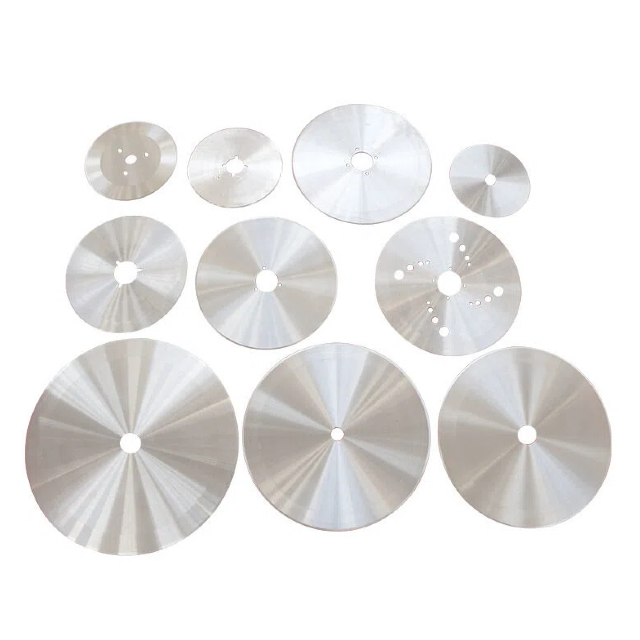
Every blade eventually loses its cutting edge. Cleaning alone cannot restore microscopic physical wear. At this point, you face a critical operational decision. Should you sharpen the tool in-house or hire a professional? Evaluating these approaches requires careful technical consideration.
Many operators attempt DIY file or jig sharpening. This method presents severe limitations. Hand sharpening relies heavily on human consistency. Even highly skilled technicians struggle to match factory tolerances manually. Utilizing a professional sharpening service changes the equation entirely. Professionals use multi-axis CNC grinders. These sophisticated machines flood the blade using synthetic coolants. They grind each tooth to an identical microscopic tolerance. This precision prevents structural damage and preserves tool life.
You must analyze the cost-to-outcome dimension carefully. When does it make financial sense to resharpen? Premium industrial blades feature thick, high-grade carbide tips. You can often resharpen these robust tools three to five times. The resharpening cost represents a fraction of replacing a premium tool. Conversely, budget-tier blades utilize thin, low-grade carbide. Resharpening these cheap tools often costs more than buying new ones. Establish a clear budget threshold for your resharpening decisions.
Technical considerations demand absolute precision. The blade's original geometry defines its cutting performance. You must maintain the original hook angle perfectly. The top bevel dictates how the tooth shears the material. The gullet profile controls efficient chip ejection. Altering any of these angles degrades cut quality immediately. Furthermore, incorrect geometry creates serious safety hazards. A modified hook angle might grab the material aggressively. This sudden grabbing action frequently causes violent material kickback.
Trust the evidence regarding manual sharpening. Uneven hand-sharpening introduces immediate blade runout. Runout means the blade wobbles slightly during rotation. This wobble creates excessive vibration across the machine. Vibration ultimately leads to a terrible material finish. It leaves deep scoring marks on your final product. Professional CNC grinding guarantees a perfectly balanced, true-spinning blade. Do not compromise your safety to save a minor sharpening fee.
Proper physical handling dictates a blade's total lifespan. Many operators treat industrial tooling like simple scrap metal. This careless approach guarantees premature failure. You must mitigate specific physical risks daily. Carbide exhibits extreme hardness but remarkable fragility. It shatters easily under sudden impact. Dropping a blade causes immediate microscopic tooth fracturing. Resting a blade directly on concrete floors produces the same catastrophic result. Even minor impacts ruin the precision cutting edge permanently.
Implementing dedicated storage solutions prevents accidental damage. Never stack blades directly on top of each other. Carbide teeth grinding against steel plates cause severe abrasion. Consider these proven storage methods for your facility:
Magnetic arbors: These hold blades securely by the center hole.
Custom pegboards: Wooden pegs prevent metal-to-metal contact during hanging.
Silicone edge-guards: Flexible bumpers wrap around the teeth for secure transport.
Fitted wooden drawers: Individual slots isolate each blade perfectly.
Environmental compliance represents another critical maintenance layer. Your storage environment actively impacts blade health. Ambient humidity attacks non-coated steel blade plates constantly. High moisture levels promote rapid surface oxidation. Rust pits the steel plate and compromises overall blade tension. You must manage ambient humidity proactively. Store tools in climate-controlled areas whenever possible. Use silica gel packets inside enclosed storage cabinets. Wipe down raw steel plates regularly using a moisture-displacing rust inhibitor. Environmental discipline keeps your tools structurally sound between uses.
Even perfect maintenance cannot sustain a blade forever. Eventually, structural fatigue makes the tool dangerously unviable. You need to establish a clear shortlisting logic for retirement. Retiring a blade promptly protects both the operator and the machinery. Pushing a compromised tool beyond its limits invites disaster.
You must identify fatal flaws immediately. Some damage crosses the line of safe repair. Audit your tools regularly for these specific structural failures:
Missing or fractured carbide teeth: A strict 10% threshold applies here. If a 40-tooth blade loses four teeth, retire it immediately. Missing teeth destroy the blade's dynamic balance.
Warped or dished blade plates: Place a straightedge across the plate body. Any visible daylight indicates a warped plate. A dished blade will never track straight again.
Compromised expansion slots: Check the laser-cut slots near the rim. Cracks extending from these slots indicate severe metal fatigue. The blade could shatter under load.
Burned steel bodies: Deep blue or black discoloration on the plate indicates lost tension. Extreme heat permanently alters the steel's metallurgical properties.
Once you identify a fatal flaw, take immediate next-step actions. Do not simply buy an identical replacement blindly. Use this opportunity to audit your current cutting application. Materials and production needs change over time. Ensure the next blade you purchase matches your exact requirements perfectly.
Review this replacement audit checklist:
| Audit Criteria | What to Evaluate | Desired Outcome |
|---|---|---|
| Tooth Geometry | Alternating Top Bevel vs. Triple Chip Grind | Match geometry to the specific material type. |
| Kerf Width | Thin kerf vs. full kerf plates | Ensure machine horsepower supports the kerf. |
| Material Rating | Softwood, composite, or non-ferrous metal | Prevent premature wear by matching applications. |
| Hook Angle | Positive vs. negative degrees | Optimize feed rate and operator safety. |
Matching tooth geometry, kerf width, and material rating ensures optimal performance. Consulting a tooling specialist during this phase pays massive dividends. They can recommend specific coatings or geometries based on your production volume. A strategic replacement upgrades your entire operation.
Effective maintenance transforms your tooling strategy entirely. It shifts blade replacement from an unpredictable operational disruption to a predictable, manageable expense. You no longer need to suffer through emergency tool failures. Implementing visual inspections, chemical cleaning, and proper storage maximizes your investment. Professional resharpening preserves factory tolerances securely. Knowing exactly when to retire a damaged blade ensures operator safety. We strongly encourage you to audit your current tool storage today. Review your maintenance intervals realistically. If your current blades consistently fail our evaluation framework, take immediate action. Consult tooling specialists to select high-durability replacements tailored to your needs. A proactive approach guarantees cleaner cuts and a smoother production process.
A: Cleaning frequency depends entirely on usage volume and material type. Cutting resin-heavy softwoods or composite materials requires cleaning every few shifts. Cutting clean hardwoods might only require weekly maintenance. Establish intervals by visually inspecting the blade shoulders for pitch buildup daily.
A: Standard rust-penetrants excel at moisture displacement. However, they lack the specialized chemical properties required to dissolve thick resin and pitch. You should use proper citrus-based pitch solvents for deep cleaning, reserving rust-penetrants for post-cleaning plate protection.
A: If burning persists after removing all pitch, you likely have deeper issues. The blade may have lost its structural tension, causing microscopic wobble. Improper machine alignment also causes side-friction burning. Most likely, the carbide tips are genuinely dull and require professional CNC resharpening.
A: No. Operating a blade missing even a single tooth is incredibly dangerous. A missing tooth compromises the tool's dynamic balance instantly. This imbalance causes severe vibration, leading to poor cuts, machinery wear, and a high probability of violent material kickback.


